
Disclosure / Affiliate Notice:
As an Amazon Associate I earn from qualifying purchases.
Some links in this article may be affiliate links that earn me a commission at no extra cost to you.
Many people notice the same sensation during colder months: the room temperature feels comfortable, yet the air seems unusually dry. Skin may feel tighter, plants appear slightly stressed, and even wooden furniture can begin to creak more than usual.
Interestingly, this effect often happens even when the heating system works perfectly. The issue is rarely temperature itself, but the relationship between temperature and humidity.
Understanding how indoor air behaves can help explain why some rooms feel dry while others feel balanced.
How Heating Changes Indoor Air
When outside temperatures drop, indoor heating systems begin warming the air inside a home. Warm air can hold more moisture than cold air. However, most heating systems warm the air without adding any additional moisture to it.
This means that as air temperature rises, the relative humidity inside the room often decreases.
Even if the air initially contained a small amount of moisture, the warming process spreads that moisture over a larger capacity of air. The result is a room that feels warm but noticeably dry.
Everyday Signs of Low Humidity
Dry indoor air can appear in subtle ways before it becomes obvious. People often notice small changes first:
- dry skin or lips
- static electricity when touching fabrics
- houseplants losing moisture faster
- wooden floors or furniture making light cracking sounds
These effects occur because moisture evaporates more quickly in dry air.
While none of these signs necessarily indicate a serious problem, they can make indoor environments feel less comfortable over time.
The Role of Air Circulation
Air movement also affects how dryness is perceived. Rooms where air circulates constantly — near heating vents, for example — tend to lose moisture faster. When warm air flows repeatedly across surfaces, evaporation increases.
On the other hand, rooms with very little airflow can feel slightly more humid simply because moisture remains concentrated in the same area.
The balance between airflow and humidity plays a large role in overall comfort.
Why Plants and Wood React First
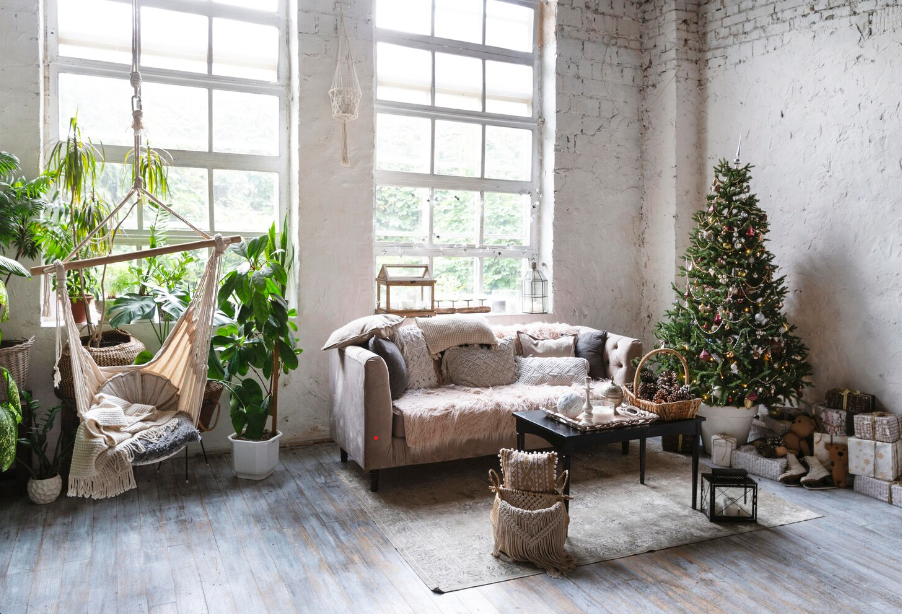
Natural materials respond quickly to humidity changes. Plants release moisture through their leaves in a process called transpiration. When surrounding air becomes too dry, plants lose water faster than they can replace it.
Wood behaves similarly. Because wood naturally contains small amounts of moisture, very dry air can cause it to contract slightly. This explains why floors, cabinets, or doors sometimes produce subtle sounds during winter.
These small reactions often signal that indoor air has become drier than usual.
Restoring Balance to Indoor Air
There are several ways to make indoor air feel more balanced again. One of the simplest approaches is introducing controlled humidity into the room.
A compact humidifier can add small amounts of moisture back into the air, helping maintain a more comfortable environment.
https://www.amazon.ca/s?k=room+humidifier&linkCode=ll2&tag=0845646-20&linkId=3a65996277711c66cb6e372c7e397d4f&ref_=as_li_ss_tl
The goal is not to create a humid environment but to restore a moderate level of moisture that feels natural indoors.
Small Environmental Adjustments
Besides using a humidifier, small daily habits can influence indoor humidity levels:
- opening windows briefly to refresh air
- placing plants in living spaces
- avoiding excessive heating when possible
These adjustments help maintain a balance between temperature and humidity without drastically changing the environment.
Comfort Depends on More Than Temperature
It is easy to assume that comfort depends mainly on temperature settings. In reality, humidity, airflow, and room materials all contribute to how a space feels.
When these elements remain balanced, rooms tend to feel calmer, healthier, and more comfortable to spend time in.
Sometimes improving indoor comfort simply means paying attention to how air behaves inside the home.
As an Amazon Associate I earn from qualifying purchases.
https://www.amazon.ca/s?k=room+humidifier&linkCode=ll2&tag=0845646-20&linkId=3a65996277711c66cb6e372c7e397d4f&ref_=as_li_ss_tl